

Florida Guardianship Process: A Complete Guide for Families
Florida Guardianship Process: Comprehensive Guide on Legal Requirements and Court Procedures for Families
By Michelle A. Berglund-Harper, Esq., Murphy & Berglund, PLLC
Navigating the Florida guardianship process can be complex and overwhelming for families seeking to protect their incapacitated loved ones. Understanding the legal requirements, court procedures, and responsibilities involved is essential for ensuring that the right care is provided. In this detailed guide, we will cover the critical aspects of Florida guardianship law, outlining how families can initiate and complete the guardianship process in Florida. In particular, we will highlight the main steps, responsibilities of guardians, and alternatives that may exist, providing a solid foundation of knowledge for families during this challenging time.
Through this article, readers will gain valuable insights into selecting the right guardianship procedures and the legal nuances involved, from filing a petition to understanding the legal obligations expected from a guardian. After detailing the guardianship requirements in Florida, we will cover the step-by-step process for filing a guardianship petition, the responsibilities guardians hold, and the available alternatives and termination options. This comprehensive guide will serve as a critical resource for families navigating these legal waters.
What Are the Legal Guardianship Requirements in Florida?
Establishing guardianship in Florida requires adherence to specific legal standards that define who may petition for guardianship and the necessary documentation required. The process ensures that individuals who are deemed incapacitated receive appropriate care from responsible guardians, maintaining their best interests throughout.
Who Can Petition to Become a Guardian Under Florida Statutes?
In Florida, various individuals can petition to become guardians, provided they meet specific eligibility criteria. To qualify, petitioners must be competent adults, without felony convictions, and able to act in the best interests of the proposed ward. Background checks are typically required to affirm suitability, demonstrating the petitioner’s responsibility and ability to provide adequate care.
Moreover, a sworn petition must be filed, inclusive of the individual’s qualifications to serve as a guardian, outlining their relationship to the proposed ward and their commitment to their well-being. Understanding these criteria is crucial for anyone considering becoming a guardian in Florida.
What Legal Criteria Define an Incapacitated Person in Florida?
An incapacitated person in Florida is defined under Florida Statutes Chapter 744, which outlines specific legal criteria for determining incapacity. This includes an assessment of the individual’s ability to manage their own decisions concerning their personal and financial affairs. This determination involves 3 evaluations by an examining committee, which provide a clear understanding of the individual’s mental capacity.
Conditions that could result in a person being deemed partially or totally incapacitated can range from severe cognitive impairments to debilitating physical health issues. The court requires clear evidence from qualified medical practitioners to establish the individual’s incapacity as part of the guardianship petition process.
How To Initiate and Complete the Guardianship Court Process in Florida?
Initiating the guardianship court process involves several defined steps that must be followed to ensure compliance with Florida law. Successfully navigating these steps can facilitate a smoother transition into guardianship for families in need.
What Are the Step-by-Step Procedures for Filing a Guardianship Petition in Seminole County Probate Court?
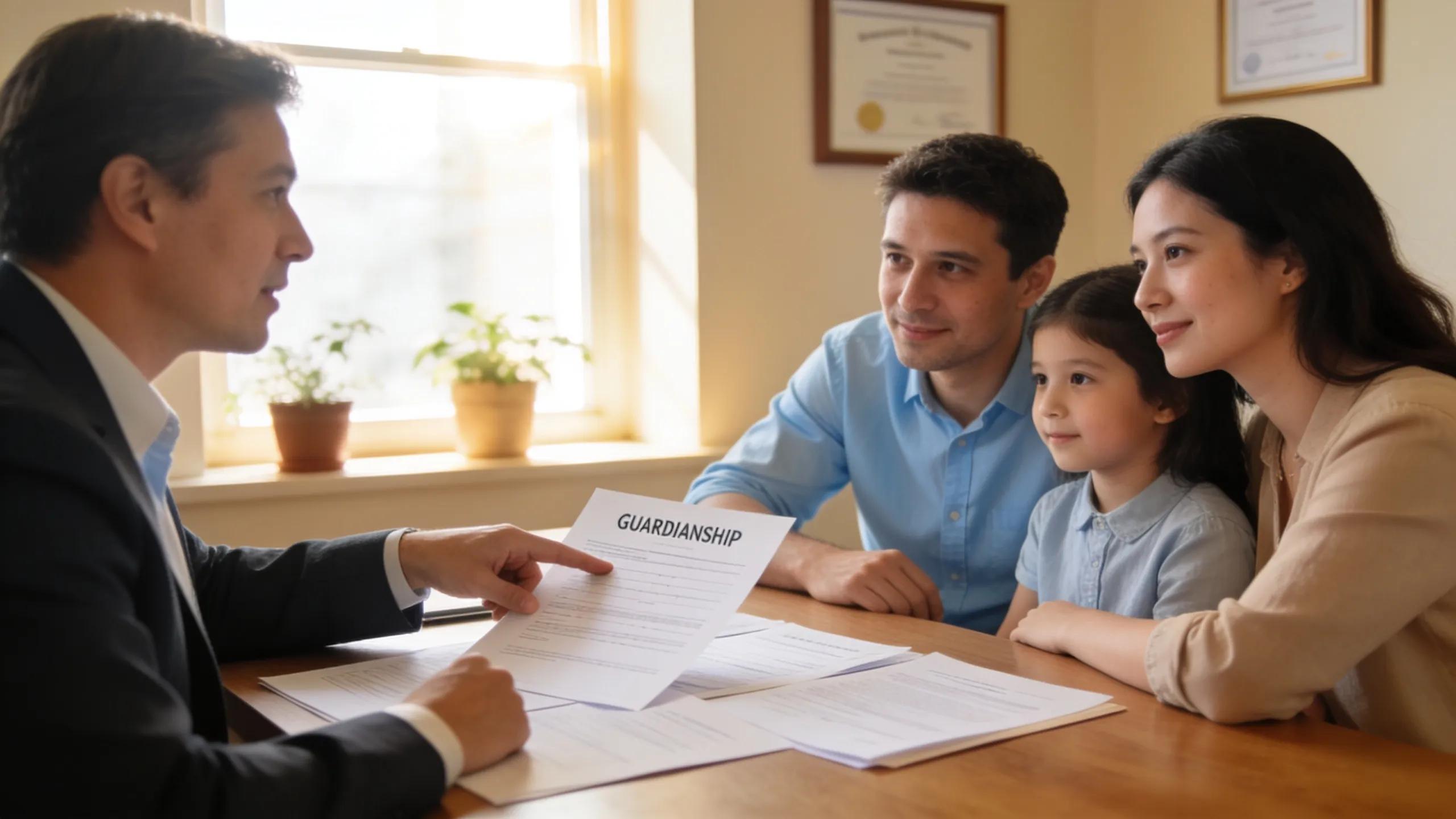
Filing a guardianship petition in Seminole County, Florida Probate Court requires specific documentation and adherence to procedural guidelines. Key steps include:
- Preparation of the Petition: Drafting a comprehensive guardianship petition that includes relevant details about the proposed ward and the petitioner. Additional supporting documents will accompany the petition.
- Filing with the Court: Submitting the completed petition along with the applicable filing fees to the Seminole County Probate Court.
- Notice to Interested Parties: Providing notice to the proposed ward and other interested parties, which is a critical part of the process ensuring that everyone affected is aware of the guardianship proceedings. A court-appointed attorney will be disgnated for the proposed ward to ensure his/her rights are represented throughout the proceedings.
- Court Hearing: Attending the scheduled court hearing where the judge will review the evidence and testimonies to determine the appropriateness of the guardianship.
Throughout this process, it is vital for petitioners to gather the necessary documentation, including medical evaluations and any additional evidence supporting their case.
What Are the Timeline and Key Court Hearings in the Guardianship Process?
The timeline for the guardianship process can vary significantly based on several factors, including court schedules and case complexity. Generally, several key hearings are involved, including:
- Initial Hearing: The first hearing where the court evaluates the evidence and decides whether to grant the guardianship petition.
- Subsequent Hearings: Follow-up hearings may be scheduled to review the guardian’s performance and ensure compliance with legal guidelines.
- Final Hearing: A concluding hearing where the court finalizes the guardianship arrangement based on the evidence presented.
Petitioners should anticipate the entire process taking several months, which highlights the need for preparedness and understanding the legal nuances involved.
What Are the Responsibilities and Legal Obligations of a Guardian in Florida?

Upon being appointed, guardians in Florida have significant responsibilities to their wards, ensuring their well-being and managing their affairs with diligence and integrity. The role of a guardian is both crucial and demanding, requiring commitment to the best interests of the individual under their care.
What Alternatives and Termination Options Exist Within Florida Guardianship Laws?
Exploring alternatives to formal guardianship may be beneficial for some families. Various legal remedies can provide support without full guardianship arrangements. Options include a designation of health care surrogate (sometimes called a medial power of attorney in other states), durable power of attorney, and other less restrictive supportive arrangements.
In addition to alternatives, guardianship can also be terminated under specific circumstances, such as the ward regaining capacity or situations where the guardian is unable to fulfill their obligations. Understanding these options is essential for families as they navigate their responsibilities and the evolving needs of their loved ones.
How Can Guardianship Be Modified or Terminated in Florida Courts?
Modification or termination of guardianship may be pursued in Florida courts if circumstances change regarding the ward’s condition or the guardian’s ability to fulfill their role. Legal grounds for modification may involve a change in the ward’s capacity, requiring reevaluation by the court.
The process for petitioning for termination requires demonstrating that the reason for guardianship is no longer needed, supported by adequate evidence. Guardians seeking modification of their duties must likewise provide sufficient justification to the court for reassessment of their guardianship responsibilities.
Authored by Michelle A. Berglund-Harper, Esq., a member of The Florida Bar, Partner at Murphy & Berglund, PLLC since 2012. A link to the author’s bio can be found here.