
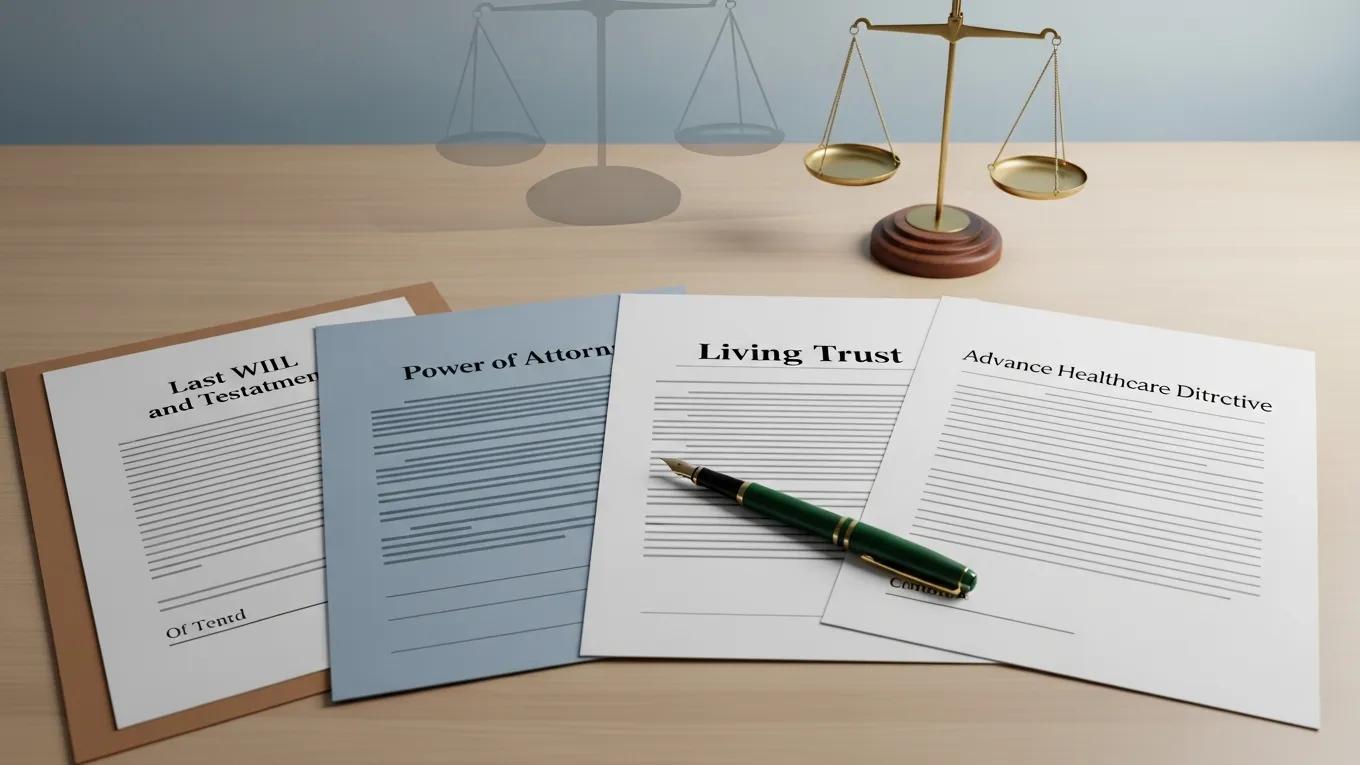
Your Florida Estate Planning Checklist
Estate Planning Documents Florida Families Should Consider for Estate Planning: Comprehensive Legal Guidance
By Michelle A. Berglund-Harper, Esq., Murphy & Berglund, PLLC
Estate planning is a crucial process for families in Florida to consider, helping ensure that loved ones are cared for and assets are protected in the event of incapacity or death. This article outlines the seven estate planning documents that families should consider to effectively navigate their estate planning journey. These documents not only facilitate a smooth transition of assets but also allow individuals to express their wishes regarding health care and financial decisions. Understanding these legal necessities can save families from potential disputes and complications down the line. In this comprehensive guide, we will cover important legal documents, their purposes, and how they function within Florida law, including Last Will and Testament, Durable Power of Attorney, and Healthcare Surrogate Designations.
What Are the Key Estate Planning Documents Required by Florida Law?
In Florida, several essential documents encapsulate critical aspects of estate planning. These documents serve both legal and personal functions to protect individuals’ wishes.
- Last Will and Testament: The “cornerstone” of estate planning, this document outlines how assets should be distributed upon death.
- Durable Power of Attorney: This document grants a designated individual the authority to make decisions on behalf of the person if they become incapacitated.
- Healthcare Surrogate Designation: Appoints someone to make health-related decisions when the individual cannot communicate.
- HIPAA Release: Gives access to your HIPAA protected medical information.
- Living Will: Communicates your end of life wishes regarding life-prologing measures.
- Lady Bird Deed: Designates a beneficiary on your Florida Real Estate which voids probate at death.
- Trusts. Whether revocable or irrevocable, a trust is like a basket that collects your assets during your life or at your death through beneficiary designations. It avoids probate and gives direction to the financial managment of assets after your death.
These foundational estate planning documents offer a comprehensive framework for ensuring that both financial and healthcare decisions align with personal wishes. Consulting with legal professionals can help ensure these documents are comprehensive and legally sound, aligning with the specific needs of your family. Proper legal guidance is essential.
How Do Florida Statutes Govern These Legal Documents?
Florida statutes provide a legal framework to ensure the proper execution and validity of estate planning documents. Adhering to these statutes is crucial; failure to comply may render documents ineffective.
- Legal Compliance: Each document must satisfy specific statutory requirements to be legally binding.
- State Requirements: For example, a Last Will must be signed by the testator and witnessed by two individuals and a separate notary.
- Consequences of Non-Compliance: Improper execution may lead to disputes among heirs, potentially resulting in court interventions. Your documents may be ignored compeltely if not validly executed.
Understanding these legal stipulations is vital in providing peace of mind for families during the estate planning process. For Florida residents, ensuring that wills and other testamentary documents meet state-specific requirements is paramount to guaranteeing their wishes are honored.
How Does a Florida Last Will and Testament and Revocable Living Trust Protect Your Assets?
Both the Last Will and Testament and a Revocable Living Trust serve essential roles in asset direction at death. They operate under different legal mechanisms but aim to ensure a smooth transition of wealth after death.
Florida Last Will and Testament vs. Revocable Living Trust
The Last Will outlines asset distribution upon death, while the trust allows for the management of assets during one’s lifetime and beyond:
- Probate Avoidance of Trusts: Trusts typically bypass the lengthy probate process, enabling quicker access to assets for beneficiaries.
- Distribution Methods of Wills: Wills specify how and when assets are distributed, subjecting them to probate court approval.
- Privacy Benefits of Trusts: Unlike wills, which become public records, trusts maintain privacy regarding asset distribution.
Utilizing these documents together can provide a strategic advantage in protecting assets while ensuring they are allocated according to personal wishes. Engaging with an estate planning attorney can help clarify the nuances between wills and trusts to best suit your estate’s needs.
Murphy & Berglund, PLLC helps families navigate estate planning needs, ensuring all documents are structured correctly to avoid future legal challenges.
What Roles Do a Power of Attorney and Healthcare Surrogate Play in Florida Estate Planning?
The Durable Power of Attorney and Healthcare Surrogate Designation are essential for ensuring that personal wishes are respected in both financial and medical decisions during incapacitation.
Decision-Making Responsibilities
- Durable Power of Attorney: Appoints an agent to manage legal and financial matters, including investments and property transactions, when the principal can’t.
- Healthcare Surrogate: Makes medical decisions for an individual when they are unable to communicate their wishes or make decisions, ensuring that health-related decisions reflect their desires.
These responsibilities highlight the importance of appointing trusted individuals as agents to handle critical decisions. Choosing an agent for a power of attorney requires careful consideration of their trustworthiness and ability to manage complex affairs.
How Does a Durable Power of Attorney Function Under Florida Law?

The Durable Power of Attorney is a critical document under Florida Law with distinct legal frameworks guiding its operation.
- Fiduciary Duties of the Agent: The appointed agent has a fiduciary responsibility to act in the principal’s best interests, ensuring transparency and accountability.
- Execution Requirements: Florida law mandates that the document be notarized and witnessed to ensure its validity.
- Revocation Conditions: The principal can revoke the power at any time, provided they are mentally competent, allowing flexibility in decision-making.
These regulations are designed for the Durable Power of Attorney to effectively safeguard your interests while empowering chosen representatives to act on behalf of others. Understanding these fiduciary duties is key for any appointed agent.
Murphy & Berglund, PLLC provides complimentary consultations with our estate planning lawyers in Altamonte Springs, FL on establishing Durable Powers of Attorney, ensuring compliance with Florida laws while protecting individual wishes. Virtual consultations are also available.
What Is the Purpose of a Healthcare Surrogate Designation in Florida?

The Healthcare Surrogate Designation plays an essential role in managing health care decisions when individuals are unable to express their preferences.
- Authority of Surrogate: The document grants the surrogate the authority to make medical decisions, allowing them to act in the patient’s best interest.
- Conflict Prevention Among Family: By clearly designating a surrogate, families can avoid potential disputes regarding medical care.
- Timeliness of Decisions: This designation allows for swift decision-making during emergencies, ensuring that the individual’s health care preferences are upheld.
Establishing a Healthcare Surrogate designation can significantly alleviate family stress and confusion during critical health events. It ensures a designated person can advocate for your medical needs with appropriate legal backing.
Why Are Advance Healthcare Directives, Guardianship, and Beneficiary Designations Crucial for Florida Families?
Beyond the primary documents, additional documents such as Advance Healthcare Directives, Guardianship papers, and Beneficiary Designations serve crucial roles in estate planning.
- Advance Healthcare Directives: A Living Will and HIPAA Release round out your health care directives. A Living Will designates whether or not you wish to remain on life-prolonging devices in very specific circumstances. The HIPAA Release allows your agents to access HIPAA protected medical information during life time, and up to two years after your death (if the document indicated) in case your death is caused by medical malpractice and we want to sue. These direct preferences regarding medical treatment and interventions.
- Guardianship Papers: Essential for naming a guardian for minor children, ensuring they are cared for by trusted individuals if needed. You can also use a Pre-Need Guardianship designation to say who should be your own guardian in the event you need one yourself.
- Beneficiary Designations: Directly dictate how assets such as life insurance or retirement accounts are distributed, bypassing probate and overridding what your Will says for that specific asset.
Each document plays a significant role in establishing comprehensive protections for families, reinforcing their intentions in critical situations. Ensuring these are up-to-date is vital for proper asset distribution and care for dependents.
How Do Guardianship Designations Safeguard Dependents in Florida?
Guardianship Designations are important for safeguarding dependents, especially children, ensuring they are protected under legal arrangements.
- Legal Process for Guardianship: Establishing guardianship requires court approval, which can be streamlined through appropriate planning.
- Authority Granted to Guardians: Guardians receive legal authority to make decisions regarding education, health care, and overall welfare.
- Preventing Disputes Among Family: Clearly defined guardianship can mitigate potential family disputes during sensitive situations, providing clarity and stability.
Understanding guardianship can reinforce families’ ability to make proactive decisions concerning their loved ones. This is particularly important for parents with minor children, ensuring their future care is planned.
What Is the Importance of Beneficiary Designations in Estate Planning?
Beneficiary designations are a vital component of estate planning that delineates how specific assets should be disbursed.
- Direct Asset Transfers: Beneficiary designations facilitate the transfer of assets outside of the probate process, allowing for faster access by loved ones.
- Consequences of Outdated Designations: Failing to update beneficiary designations may result in unintended distributions following death, creating potential conflicts.
- Importance of Regular Reviews: Regularly reviewing and updating designations is essential to ensure alignment with current goals and family dynamics.
- LadyBird Deeds: For a client’s Florida real estate, we can explore a LadyBird Deed, formally called an enhanced life estate deed, which says where the property should transfer to upon the client/owner’s death.
Therefore, proper execution and management of beneficiary designations are crucial for effective estate planning. These designations often supersede information found in a will for accounts like life insurance policies and retirement funds.
In sum, our law office of Murphy & Berglund, PLLC can assist Florida families in securing vital estate planning documents, helping navigate the nuances of Florida law while safeguarding family interests.
Authored by Michelle A. Berglund-Harper, Esq., a member of The Florida Bar, Partner at Murphy & Berglund, PLLC since 2012. A link to the author’s bio can be found here.