

Advanced Asset Protection Strategies for Florida Residents: Comprehensive Legal Guidance and Wealth Preservation
Navigating the complexities of asset protection is crucial for Florida residents seeking to safeguard their wealth. This article delves into advanced strategies that can help individuals and families preserve their assets against potential risks, including creditors and unforeseen legal challenges. By understanding the various mechanisms available, readers will learn how to effectively implement these strategies to enhance their financial security. The focus will be on asset protection trusts, the Homestead Exemption, offshore options, elder law considerations, probate avoidance techniques, and creditor protection laws. Each section will provide valuable insights into how these strategies work and their benefits, ensuring that readers are well-equipped to make informed decisions about their financial futures.
What Are Asset Protection Trusts and How Do They Safeguard Your Wealth?
Asset Protection Trusts (APTs) are specialized legal structures designed to protect an individual’s assets from creditors. These trusts operate under specific legal frameworks that enable individuals to shield their wealth from potential claims, ensuring that their financial legacy remains intact. The primary benefit of APTs are their ability to provide a layer of protection against lawsuits and creditor claims, which is particularly valuable in today’s litigious society.
How Do Irrevocable Trusts Protect Assets from Creditors in Florida?
Once assets are transferred into an irrevocable trust, the grantor relinquishes control over them, making it difficult for creditors to access these assets. This mechanism is particularly effective in scenarios where individuals face potential lawsuits or financial liabilities. For example, if a person is sued, the assets held in an irrevocable trust are generally not considered part of their estate, thus providing a safeguard against creditor claims.
What Are the Key Features of Florida Asset Protection Trusts?
Asset Protection Trusts come with several key features that enhance their effectiveness. These include:
Creditor Protection: Assets in the trust are shielded from creditors, provided the trust is established correctly and in compliance with Florida law.
Flexible Terms: The trust can be tailored to meet the specific needs of the grantor, allowing for customized asset management.
These features make APTs an attractive option for individuals looking to secure their wealth against potential threats.
How Does the Homestead Exemption in Florida Protect Your Primary Residence?
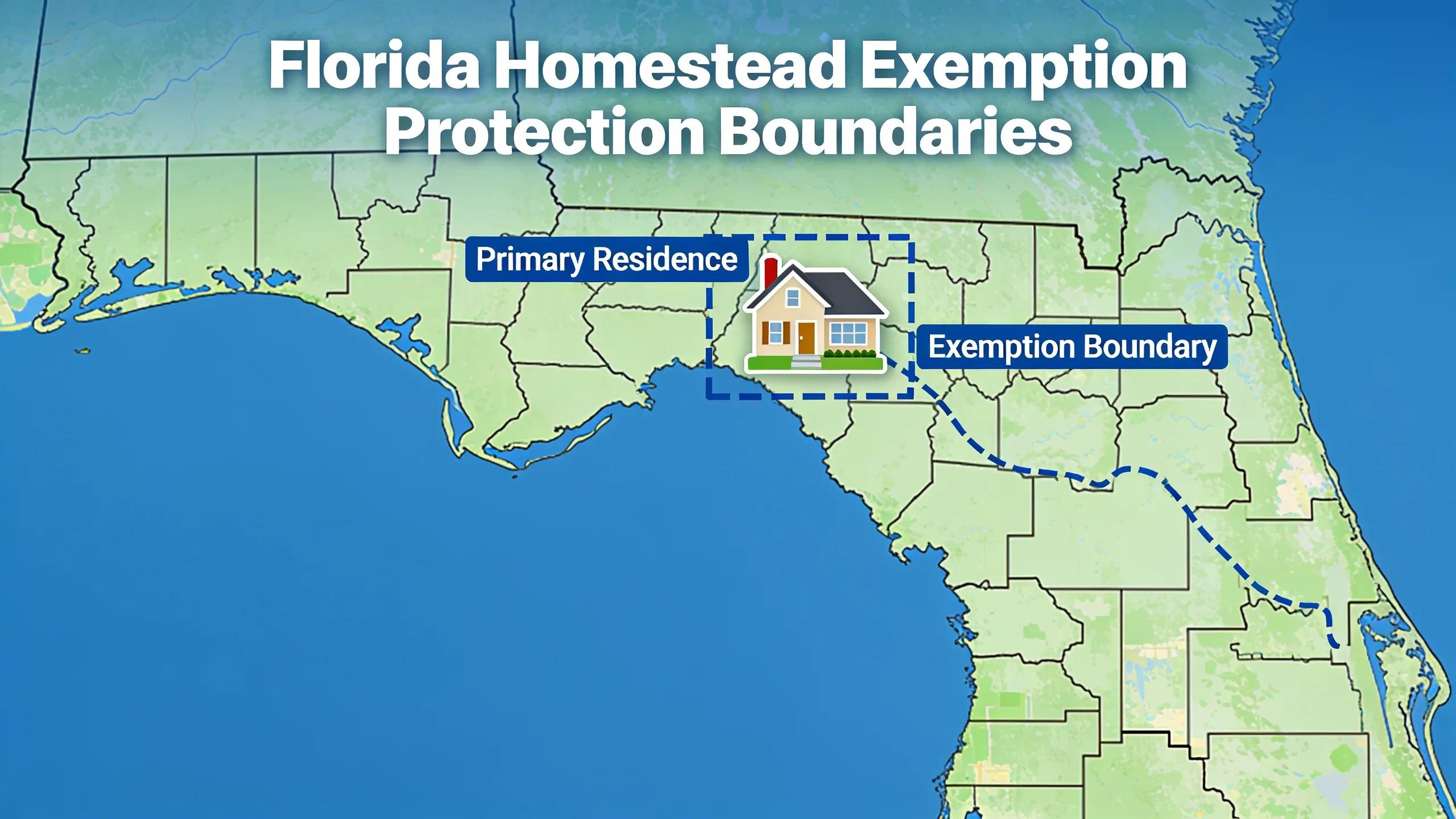
The Homestead Exemption is a significant legal provision in Florida that protects a homeowner’s primary residence from forced sale by most creditors. This exemption allows homeowners to shield the full value of their home (with some acreage limits) from most creditors, ensuring that they can maintain their living situation even in the face of financial difficulties. To qualify, homeowners must meet specific eligibility requirements, including residency and property ownership criteria. The primary benefit of the Homestead Exemption is the peace of mind it provides, knowing that one’s home is protected from most creditors, except for certain exceptions such as mortgage lenders, property tax liens, and construction liens. It is important to make sure you have the option to claim homestead before transferring a homestead property to a trust without that option.
What Offshore Asset Protection Options Are Available for Florida Residents?
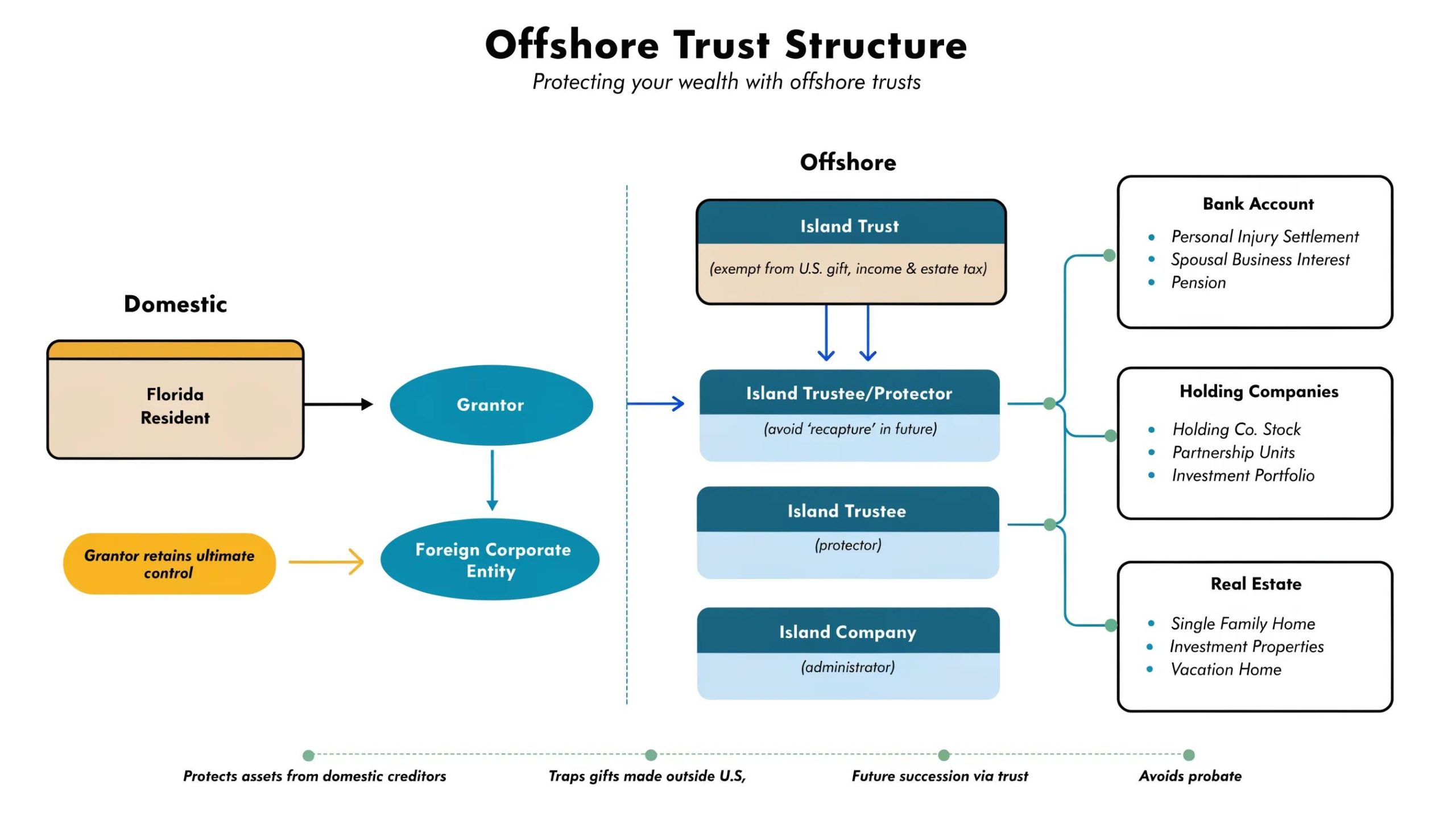
Offshore asset protection strategies offer Florida residents additional avenues for safeguarding their wealth. These strategies typically involve placing assets in foreign jurisdictions that have favorable laws regarding asset protection. By doing so, individuals can create a barrier against domestic creditors and legal claims.
What Are the Risks and Benefits of Offshore Asset Protection?
Engaging in offshore asset protection comes with both risks and benefits. The benefits include enhanced privacy, potential tax advantages if properly structured, and increased protection from creditors. However, risks may involve legal complexities, potential scrutiny from tax authorities, and the need for compliance with U.S. tax and reporting laws such as the Foreign Account Tax Compliance Act (FATCA). It is essential for individuals to weigh these factors carefully before pursuing offshore strategies.
How Do Offshore Trusts Complement Florida Asset Protection Strategies?
Offshore trusts can significantly enhance Florida asset protection strategies by providing an additional layer of security. These trusts can be structured to comply with both U.S. and foreign laws, ensuring that assets are protected from domestic creditors while benefiting from the legal advantages offered by offshore jurisdictions. This dual approach allows individuals to diversify their asset protection strategies effectively.
Indeed, the interplay between offshore trusts and Florida law is a critical aspect of comprehensive asset protection.
Offshore Asset Protection Trusts & Florida Law The use of offshore asset protection trusts, such as a Mauritian trust, were governed by Florida and federal bankruptcy law. Offshore and Other Shore Asset Protection Trusts, 1999
How Can Elder Law Asset Protection Help Florida Seniors Preserve Their Wealth?
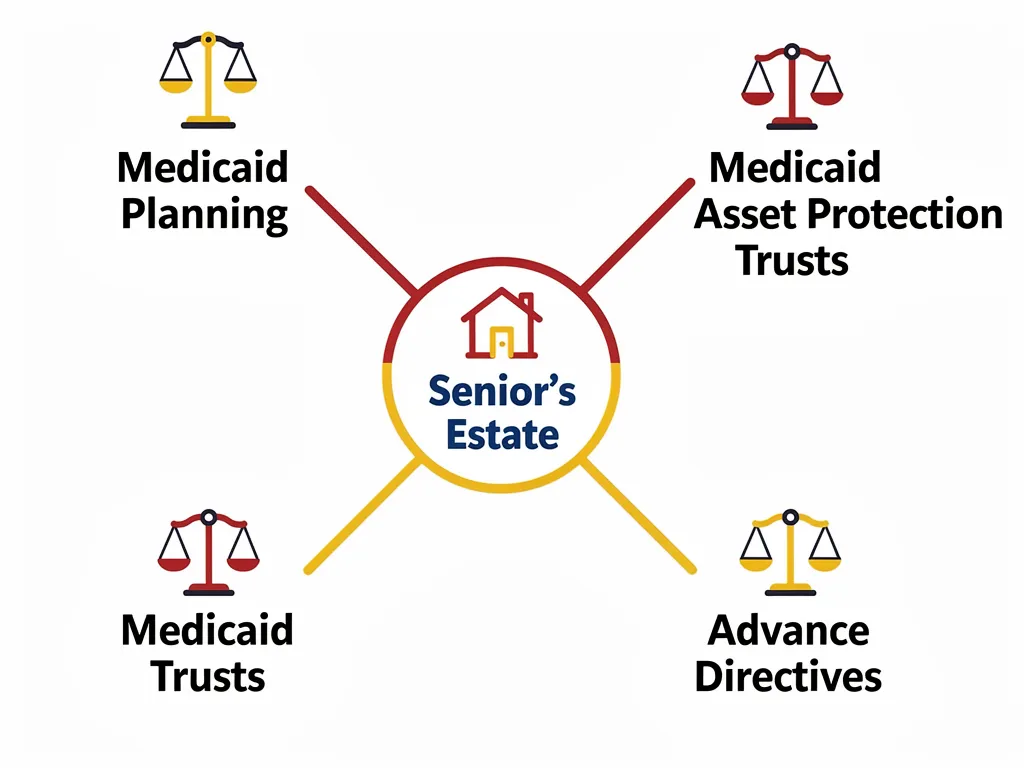
Elder law asset protection focuses on helping seniors preserve their wealth as they age, particularly in relation to long-term care costs. This area of law provides essential strategies for safeguarding assets while ensuring that seniors can access necessary medical care without depleting their financial resources.
What Legal Safeguards Do Elder Law Attorneys Provide for Long Term Care Costs?
Elder law attorneys offer various legal safeguards to help seniors manage long-term care costs. These may include:
Medicaid Planning: Structuring assets to qualify for Medicaid benefits while preserving wealth, including the use of Medicaid Asset Protection Trusts.
Asset Protection Trusts: Establishing trusts specifically designed to protect assets from being spent down for care, often irrevocable trusts compliant with Medicaid rules.
Advance Directives: Creating legal documents that outline healthcare preferences and financial management in case of incapacity.
These safeguards are crucial for ensuring that seniors can maintain their quality of life without sacrificing their financial security.
The scope of elder law practice, encompassing various trusts and planning strategies, is vital for protecting seniors’ financial well-being.
Florida Elder Law & Asset Protection Trusts Medicaid planning, estate planning, wills, trusts, incapacity and guardianship are all a part of the elder law practice. Just a few examples of common trusts by purpose include: Asset Protection Trusts. Florida Elder Law, Medicaid Planning and Estate Planning, 2016
How Does Elder Law Integrate with Estate Planning and Asset Protection?
Elder law is closely intertwined with estate planning and asset protection, as it addresses the unique needs of seniors. By integrating these areas, individuals can create comprehensive plans that not only protect assets but also ensure that their wishes are honored regarding healthcare and inheritance. This holistic approach is vital for effective wealth preservation.
What Are Effective Probate Avoidance Techniques for Florida Residents?
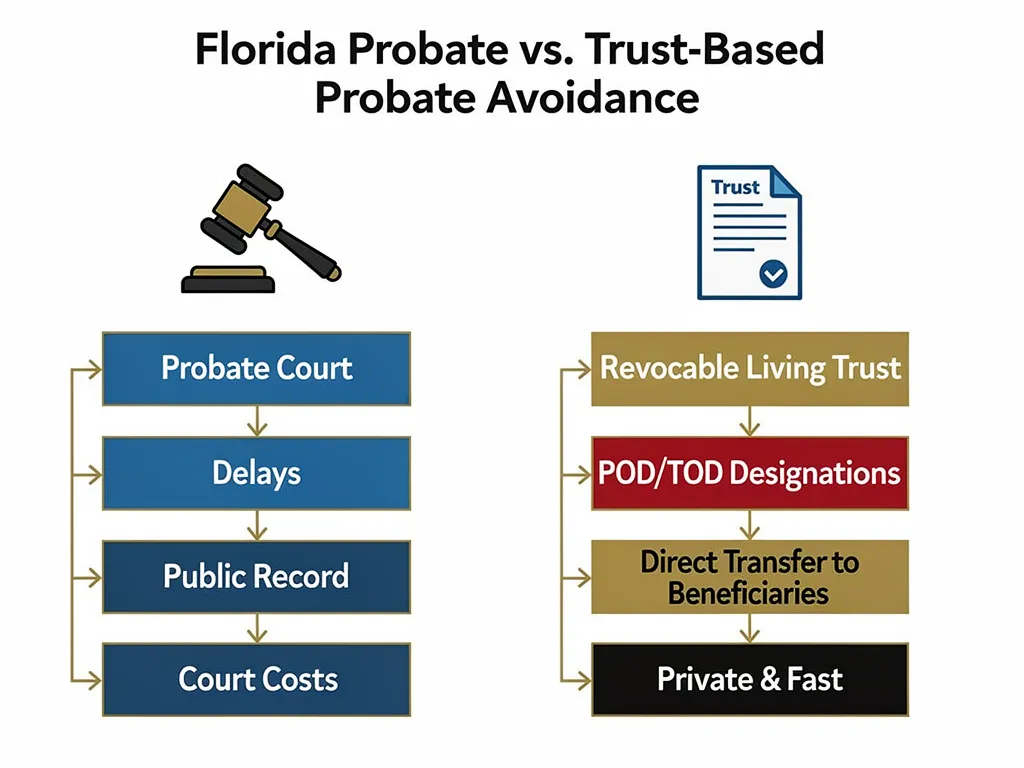
Probate avoidance techniques are essential for Florida residents looking to streamline the transfer of assets upon death and minimize associated costs. These techniques can help families avoid the lengthy and often costly probate process, ensuring that assets are distributed efficiently.
Understanding the necessity of probate avoidance is key to protecting an estate and ensuring a smooth transfer of assets.
Trusts and other legal instruments play a significant role in avoiding probate.
By placing assets in a trust, individuals can ensure that these assets pass directly to beneficiaries without going through probate. Common types of trusts used for this purpose include revocable living trusts and certain irrevocable trusts. Additionally, other instruments such as payable-on-death (POD) designations and transfer-on-death (TOD) deeds can also help avoid probate.
What Are the Benefits of Probate Avoidance in Asset Preservation?
The benefits of avoiding probate include:
Faster Asset Distribution: Beneficiaries receive their inheritance more quickly without the delays associated with probate.
Cost Savings: Avoiding probate can significantly reduce legal fees and court costs.
Privacy: Probate proceedings are public, while trusts allow for private asset distribution.
These advantages make probate avoidance a critical consideration for effective asset preservation.
How Do Florida Creditor Protection Laws Support Your Asset Preservation Goals?
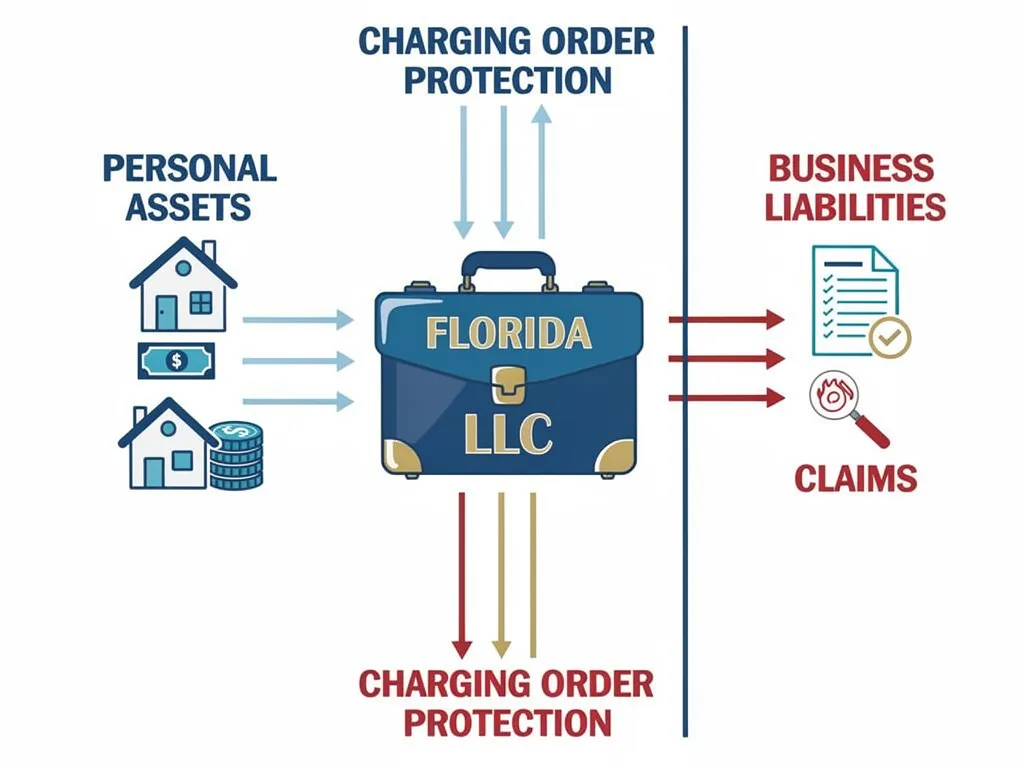
Florida’s creditor protection laws provide essential support for individuals aiming to preserve their assets. These laws establish various mechanisms that protect personal and business assets from creditor claims, ensuring that individuals can maintain their financial stability.
What Are the Latest Legislative Changes Affecting Creditor Protection in Florida?
Recent legislative changes have refined creditor protection laws in Florida, including updates to exemptions and protections for specific asset types. For example, changes to the Florida Revised Limited Liability Company Act have enhanced protections for LLC members against creditor claims. It is increasingly important for residents to stay informed about their rights and options as laws evolve.
How Can Florida LLCs Be Used for Asset Protection?
Florida Limited Liability Companies (LLCs) are a popular choice for asset protection. By forming an LLC, individuals can separate their personal assets from their business liabilities, providing a layer of protection against creditor claims. This structure not only protects personal wealth but also offers tax advantages and operational flexibility. Additionally, Florida law provides strong charging order protections for multi-member LLC members, which can limit creditors’ ability to seize LLC interests.
Different asset protection strategies deliver distinct benefits through specific mechanisms.
This comparison demonstrates how various strategies can be effectively utilized to enhance asset protection for Florida residents.
Authored by Michelle A. Berglund-Harper, Esq., a member of The Florida Bar, Partner at Murphy & Berglund, PLLC since 2012. A link to the author’s bio can be found